
Area
Basic Education

A learning experience designed to transform traditional educational content into visual and interactive pages that foster curiosity, comparison, and deeper understanding.
Basic Education

Editorial Learning Design

Instructional Design | Graphic Design | Learning Experience Design

Adobe Creative Cloud
Teaching is more than presenting content.
Especially in childhood and adolescence, learning depends on how students interact with information, ask questions, make comparisons, and build meaning from what they see.
The challenge was not to create a new textbook.
It was to design pages that could make learning more meaningful for the student on the other side of the page.
That became the starting point of this project.
Every learning experience begins by understanding who is learning.
The content was already strong.
The challenge was not to simplify it.
It was to create ways of presenting information that encouraged observation, comparison, reflection, and meaning-making, while respecting how children and teenagers learn.
The project was informed by the Learning Pyramid, which highlights the role of active participation and varied stimuli in knowledge retention.
The proposal was guided by a simple idea: students learn more deeply when they actively engage with what they are studying.
To achieve that, a few principles guided the development of the Pages of Interest:
Each page was designed to turn the textbook into a richer learning experience without losing its role as an educational resource.
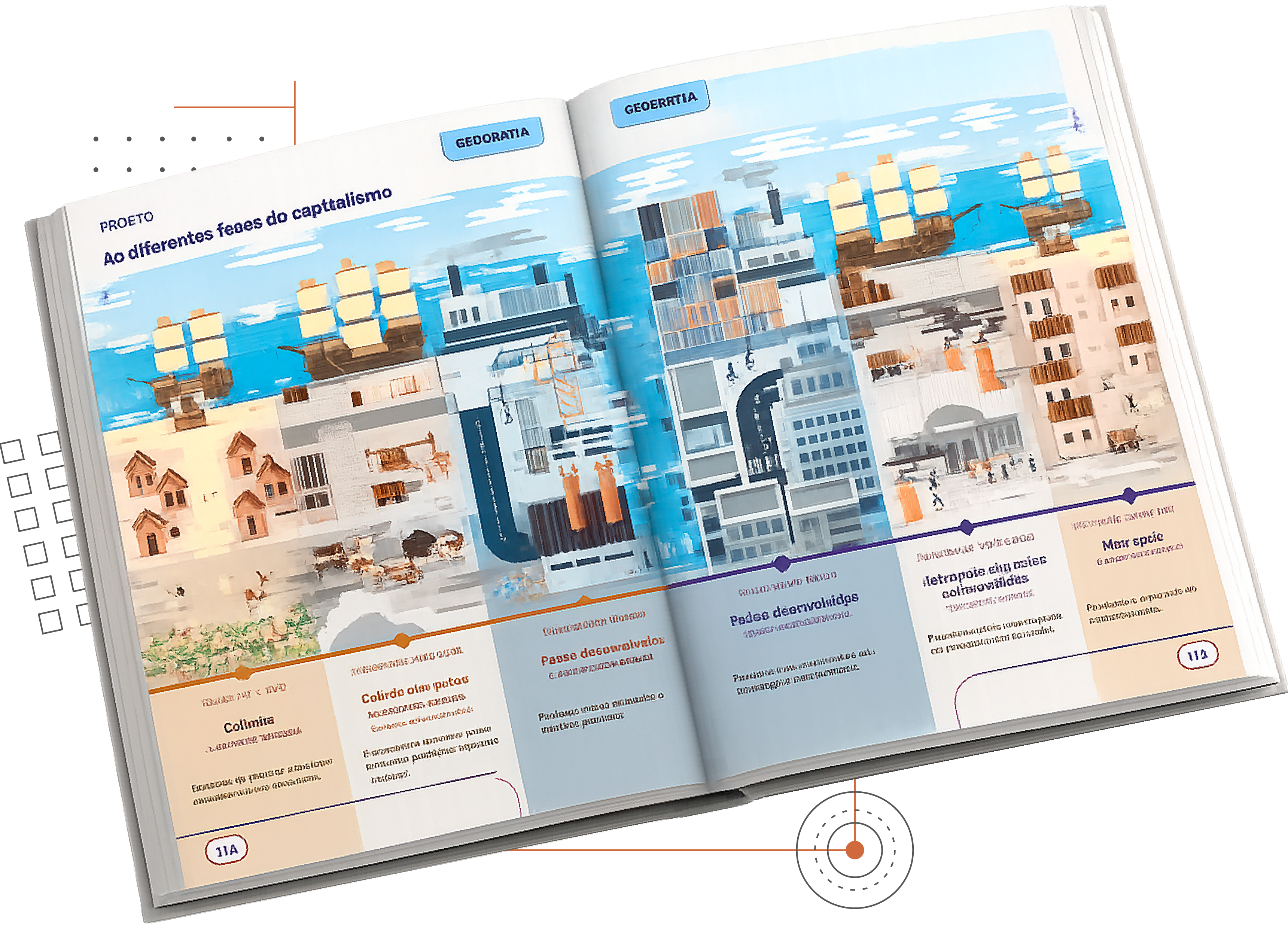
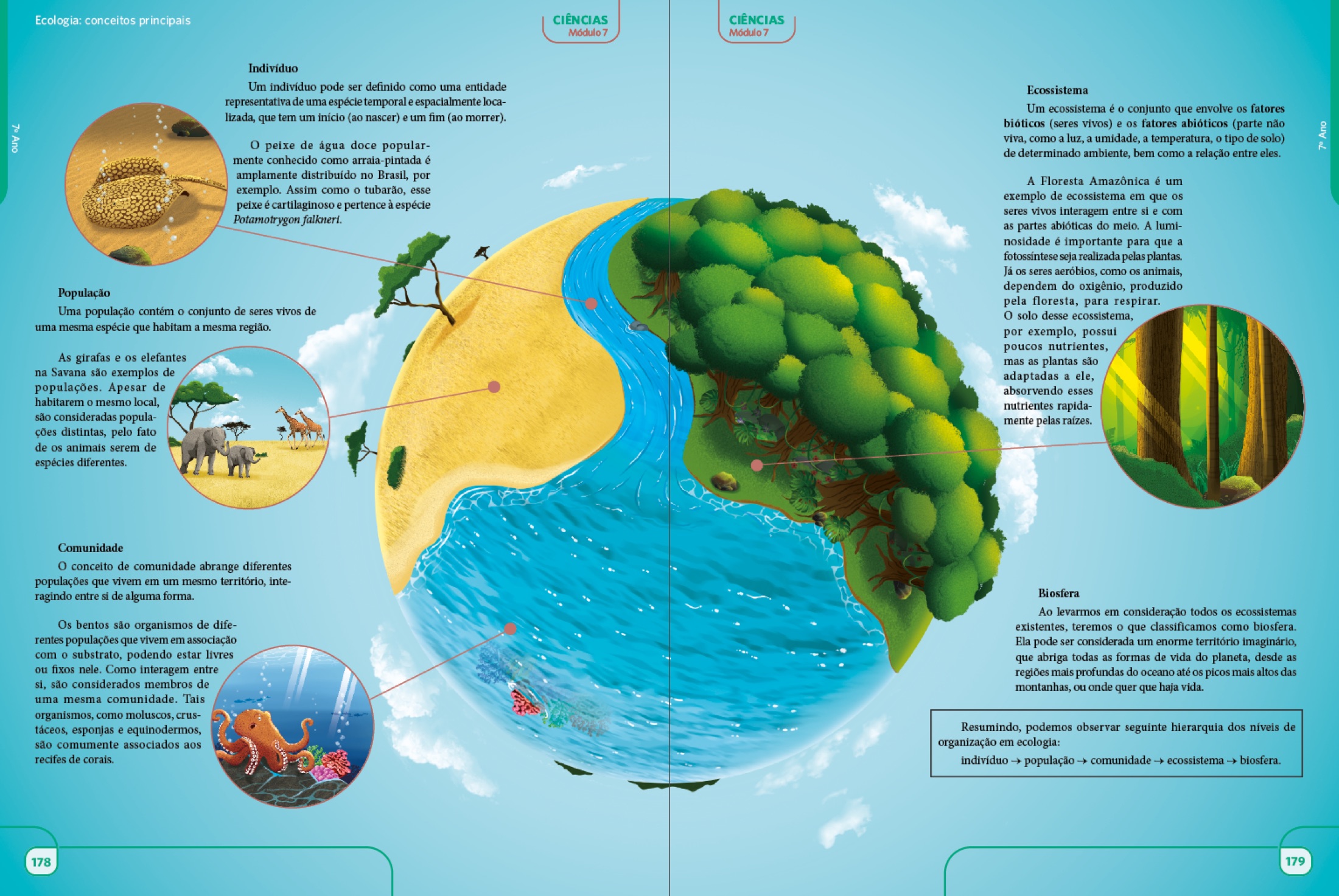
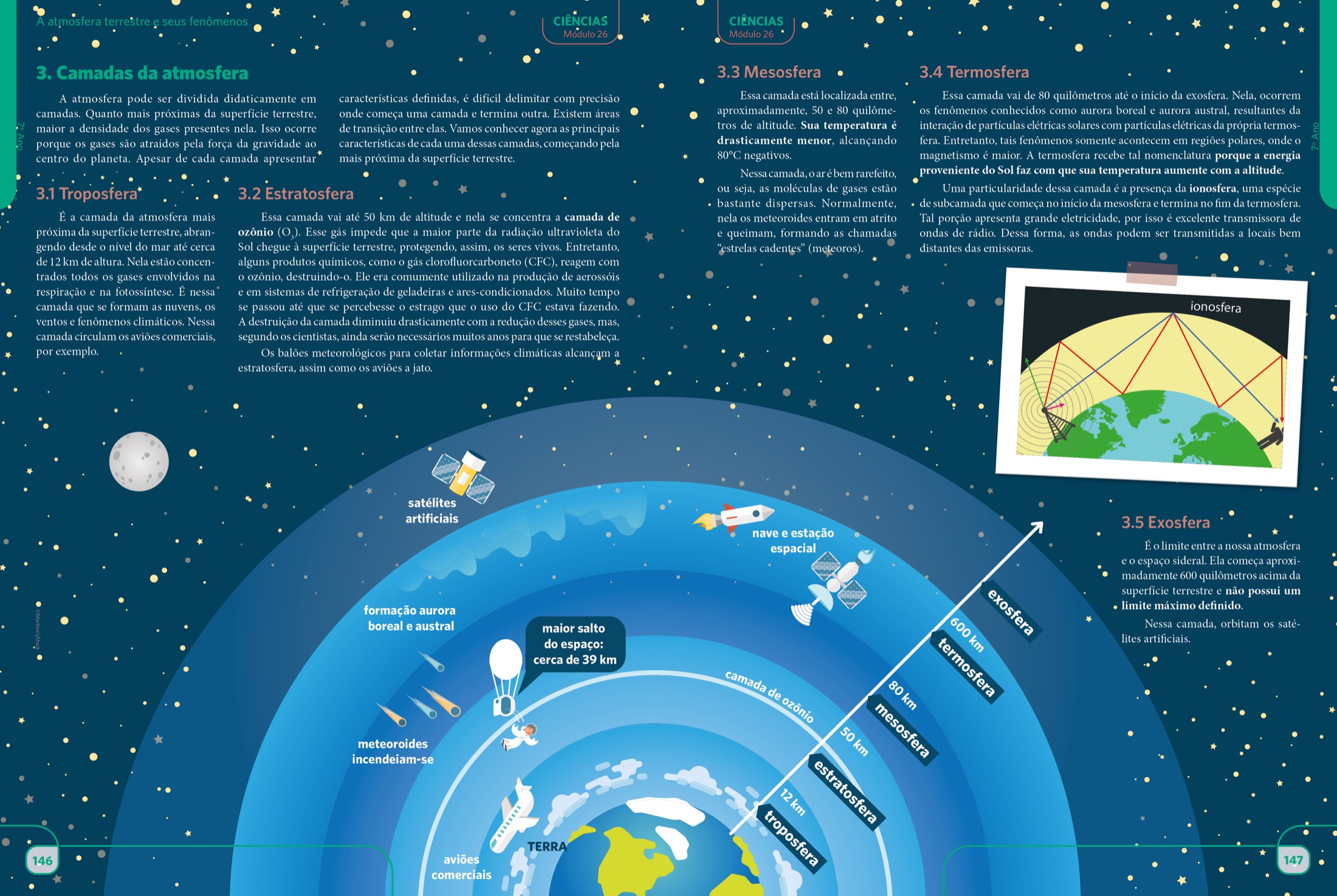
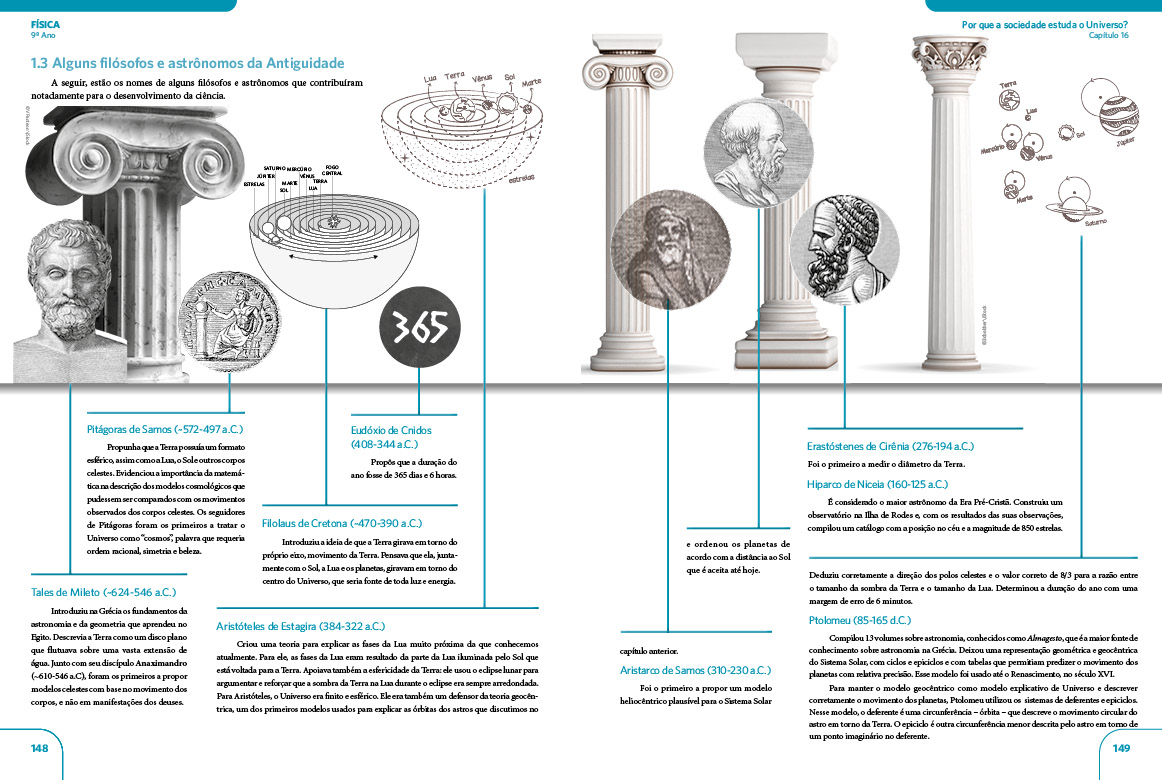
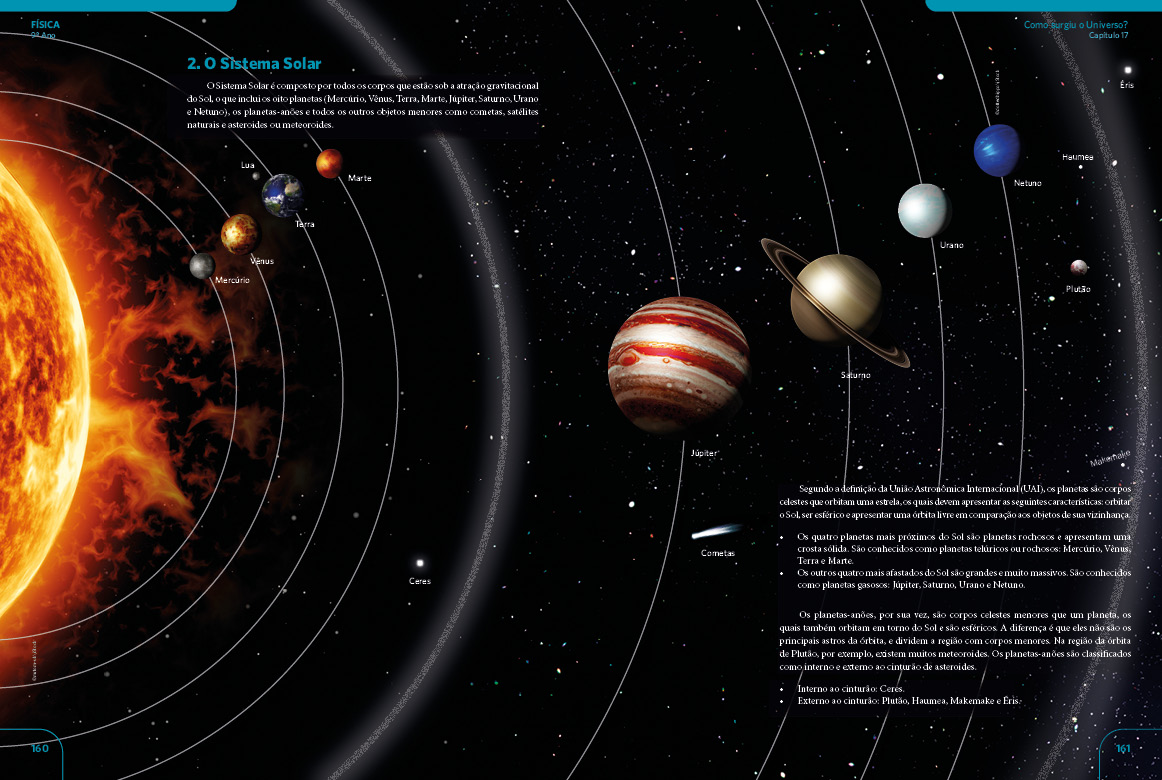
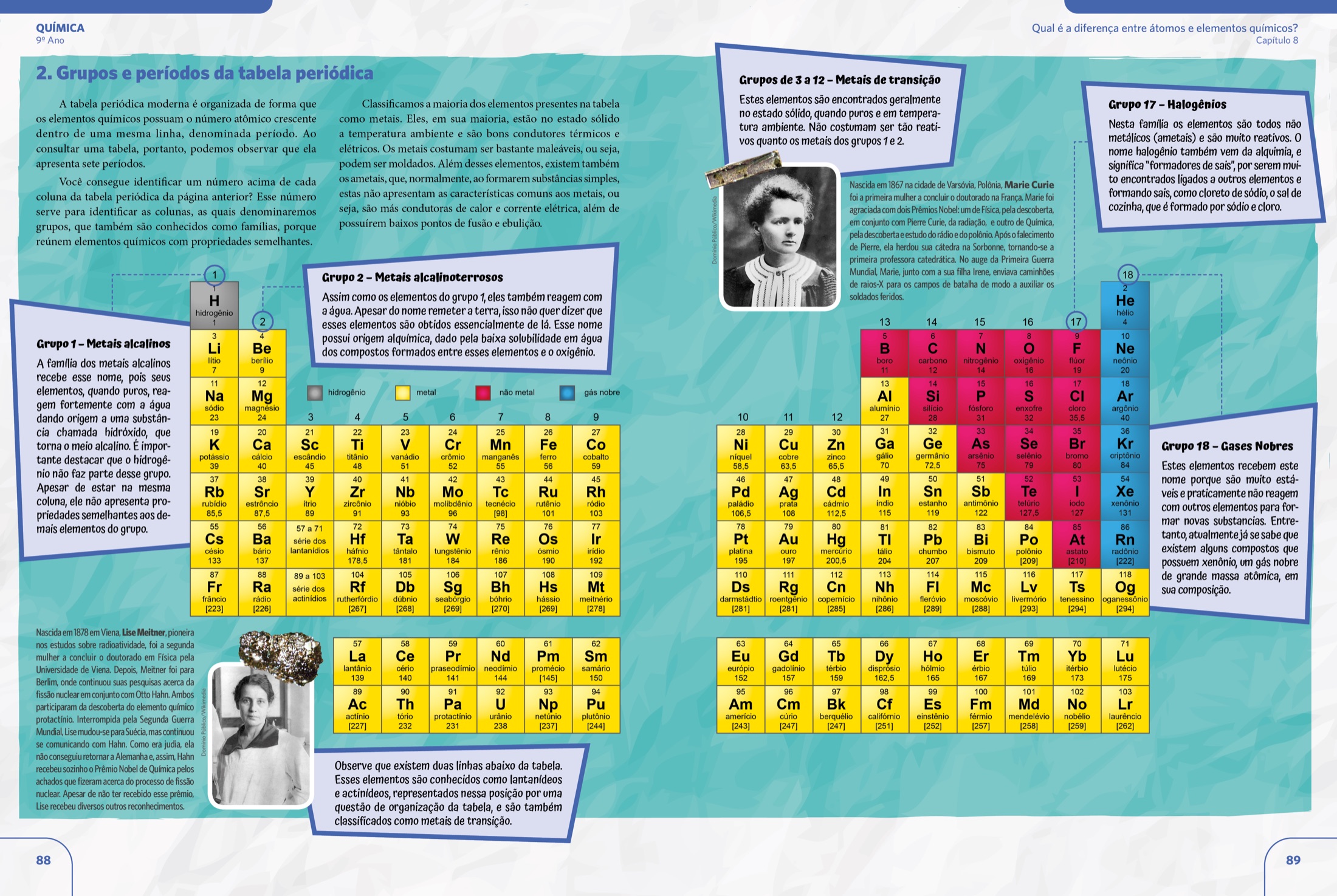
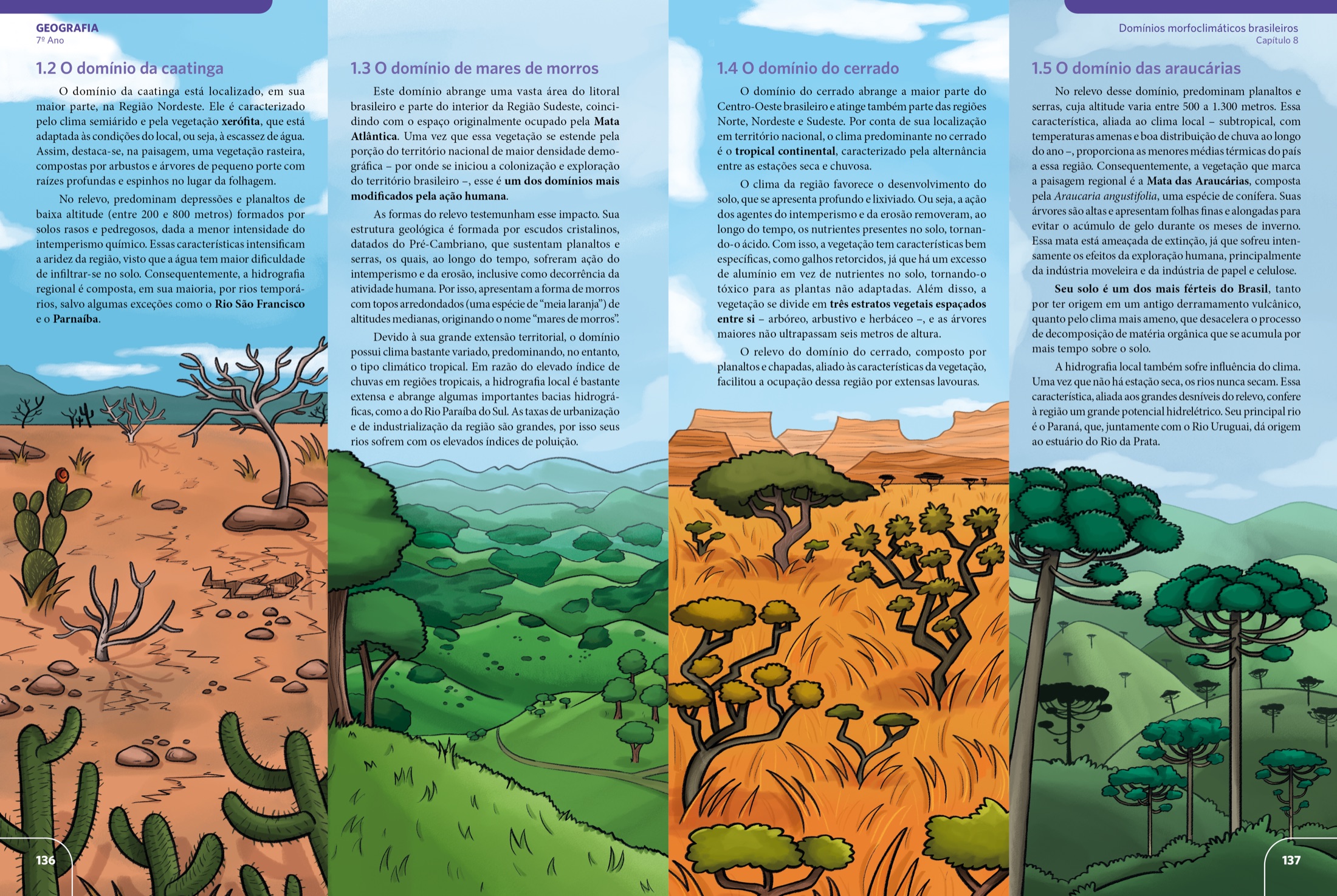
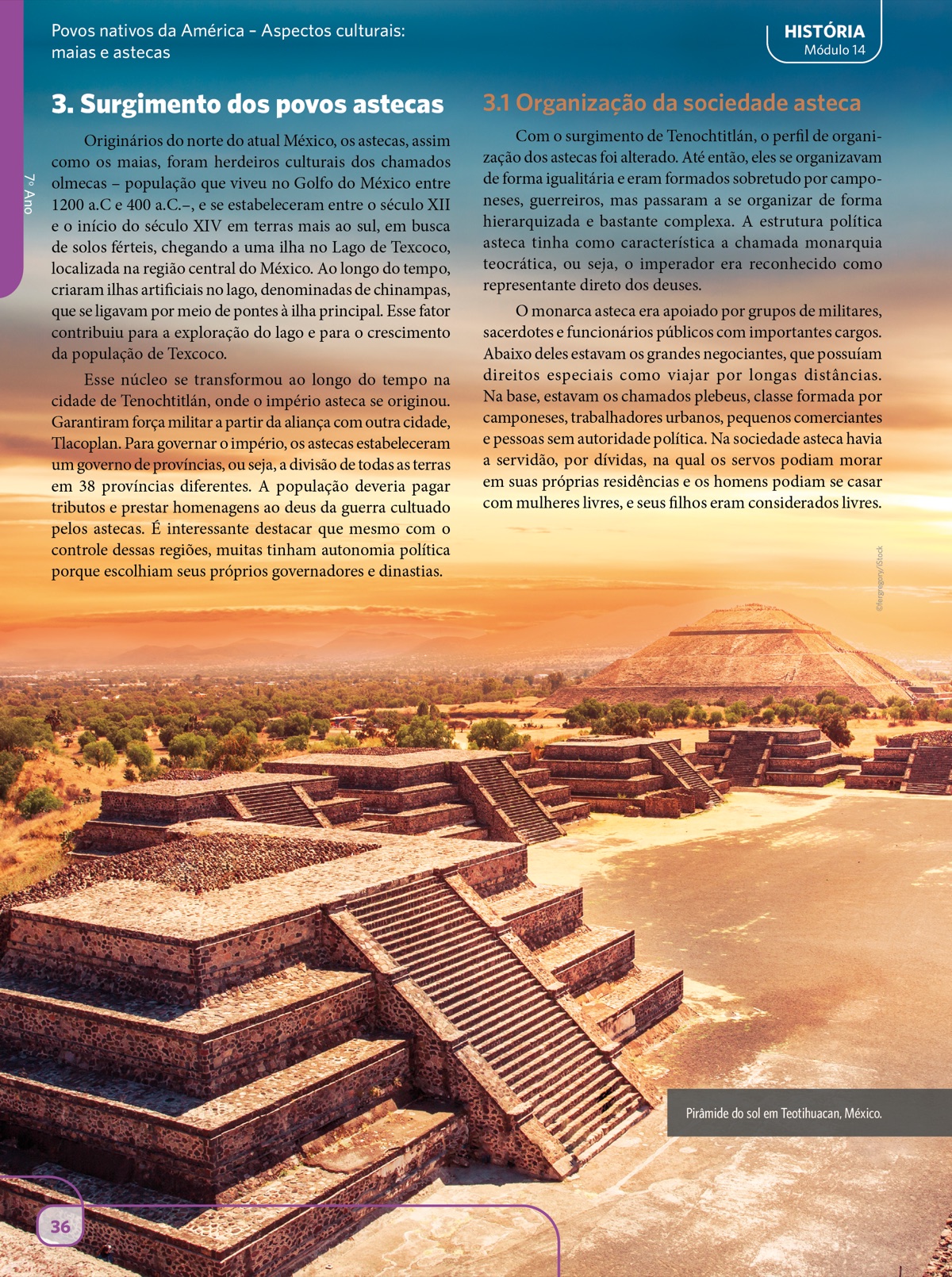
Dozens of special pages were developed for different subject areas, including History, Geography, Science, Physics, Mathematics, and Chemistry.
Each solution was shaped by the specific needs of the content.
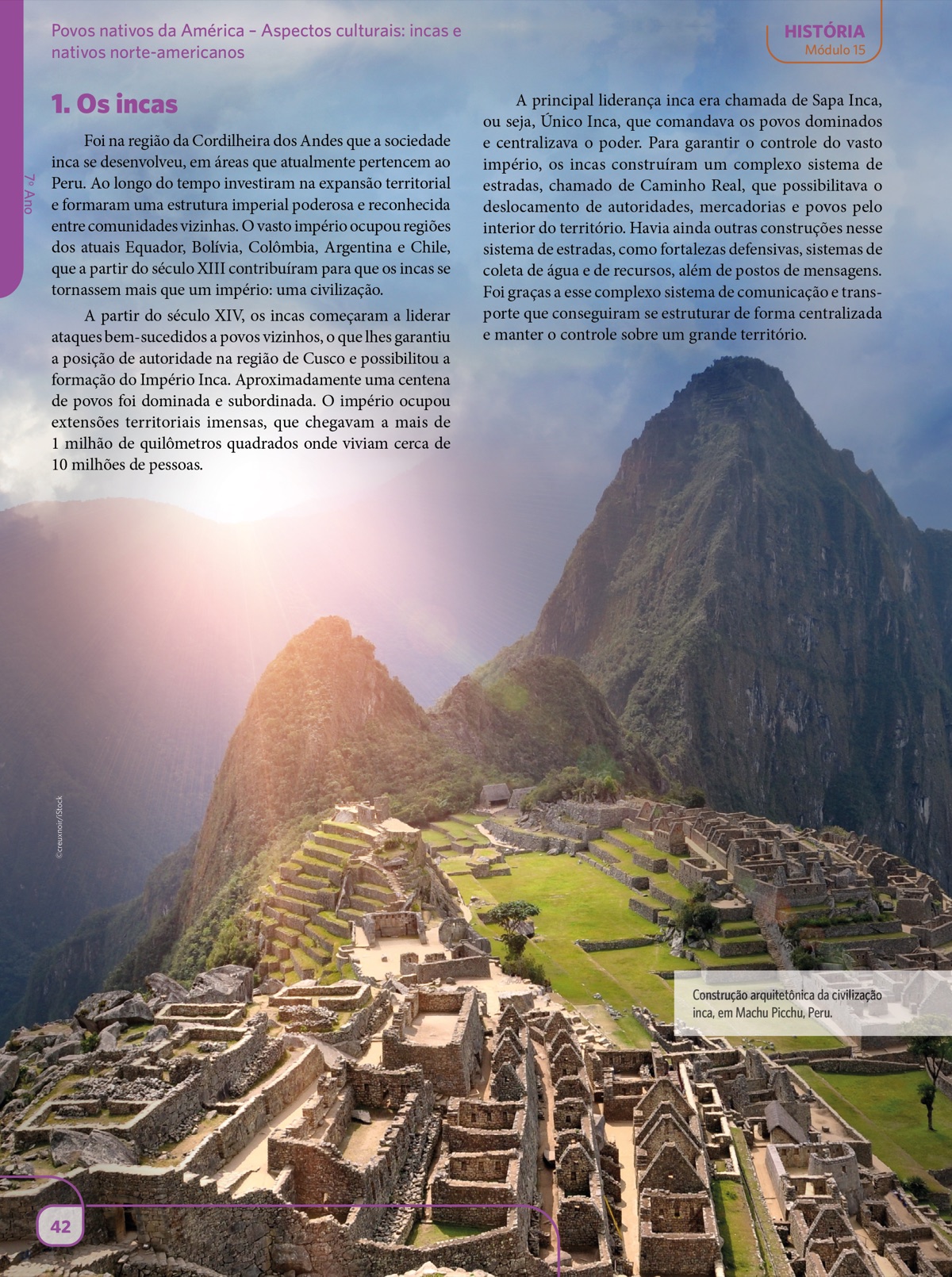
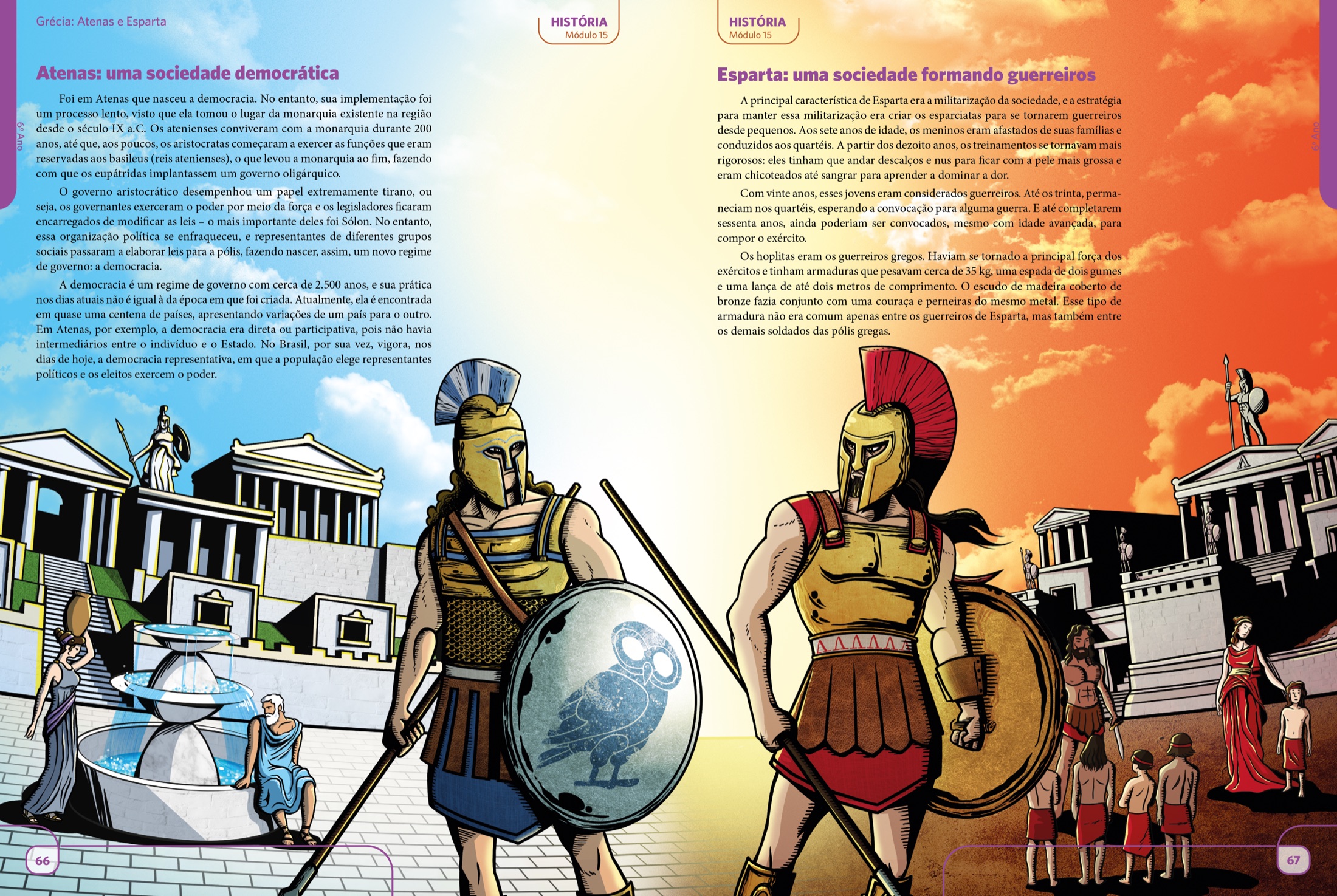
Some pages transformed tables into visual comparisons. Others organized timelines, illustrated scientific phenomena, connected maps and characters, or used infographics to help students see relationships between concepts more clearly.
More than making the pages visually appealing, the goal was to reduce the distance between information and understanding.
This project reinforced a belief that still guides my work today.
Design can shorten the path between information and understanding.
This project showed me that, many times, the content itself does not need to change.
Sometimes the content doesn't need to change.
The learning experience does.